Address
Mogadishu,Somalia

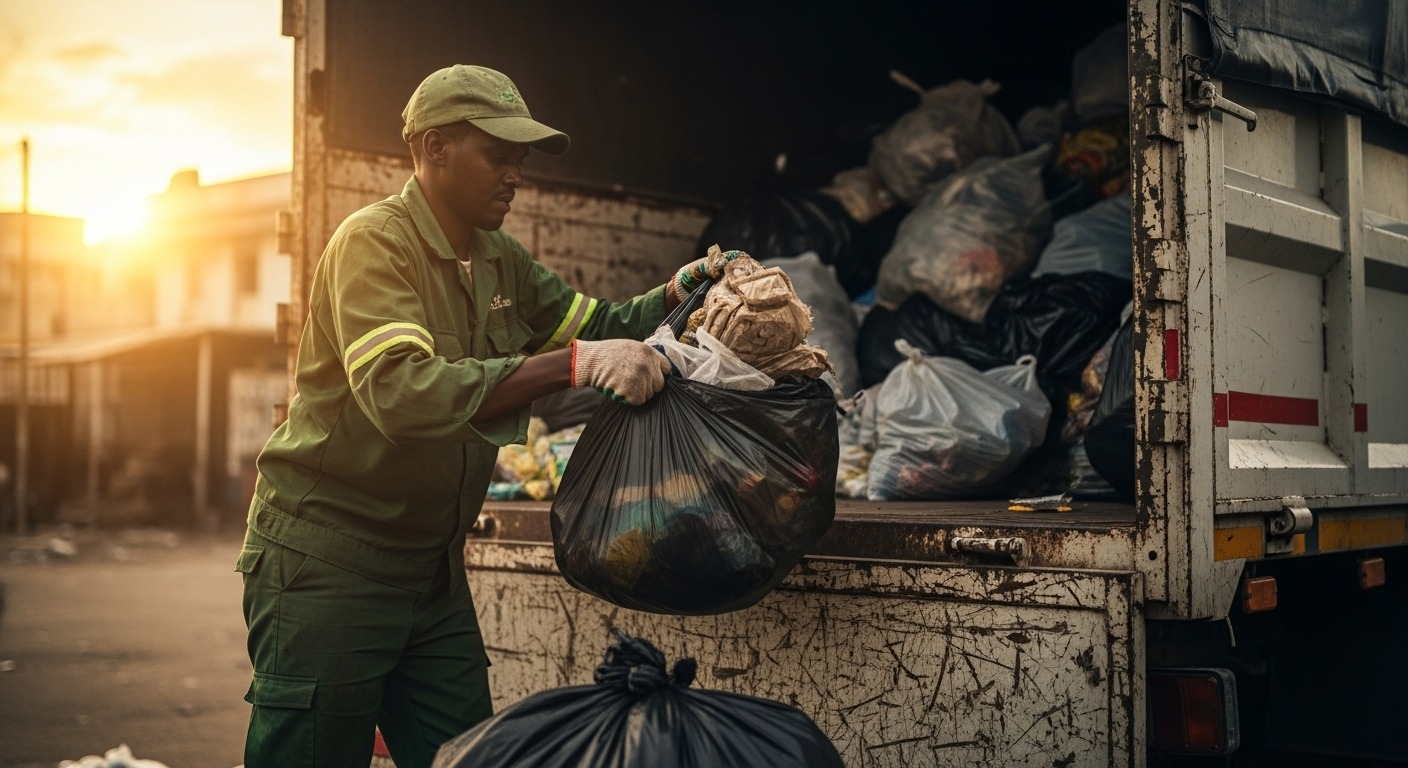
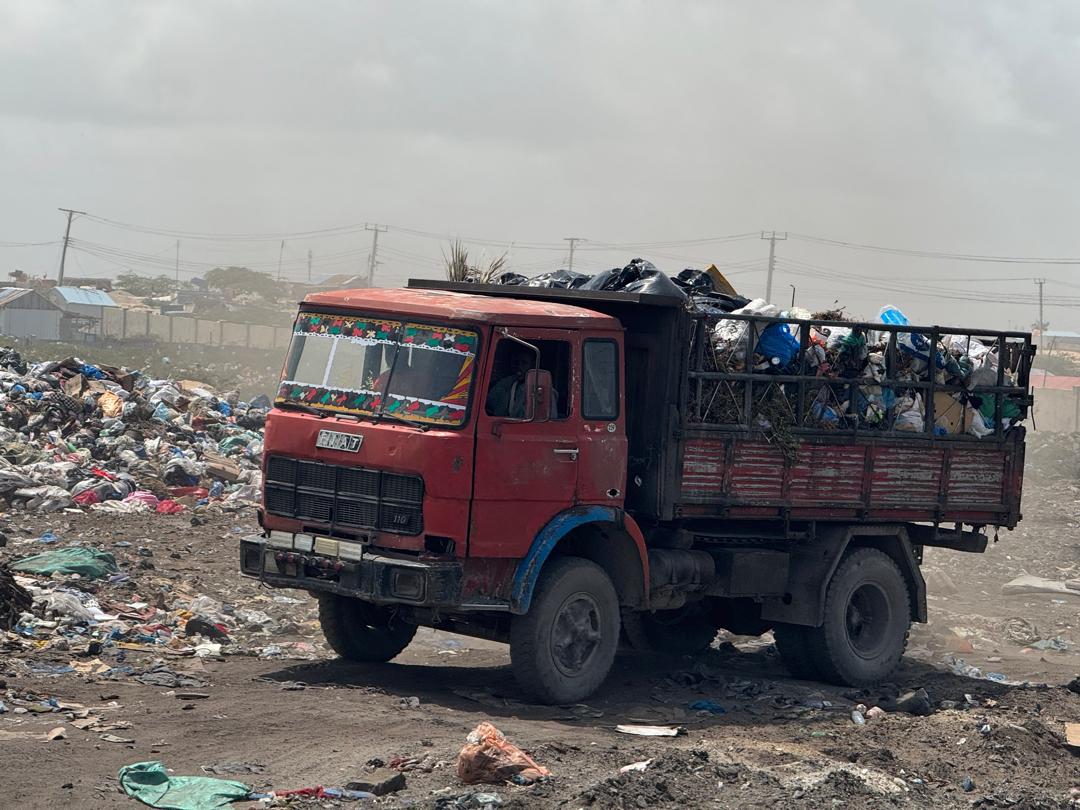
Eco Pioneers Somalia was born out of necessity.During post-flood recovery work in Mogadishu, our founder witnessed the scale of destruction caused by blocked drainage and plastic pollution. Inspired by the need for sustainable infrastructure and job creation, the team envisioned a way to turn Mogadishu's waste into paving solutions, laying the foundation for Eco Pioneers.

 Ecofriendly
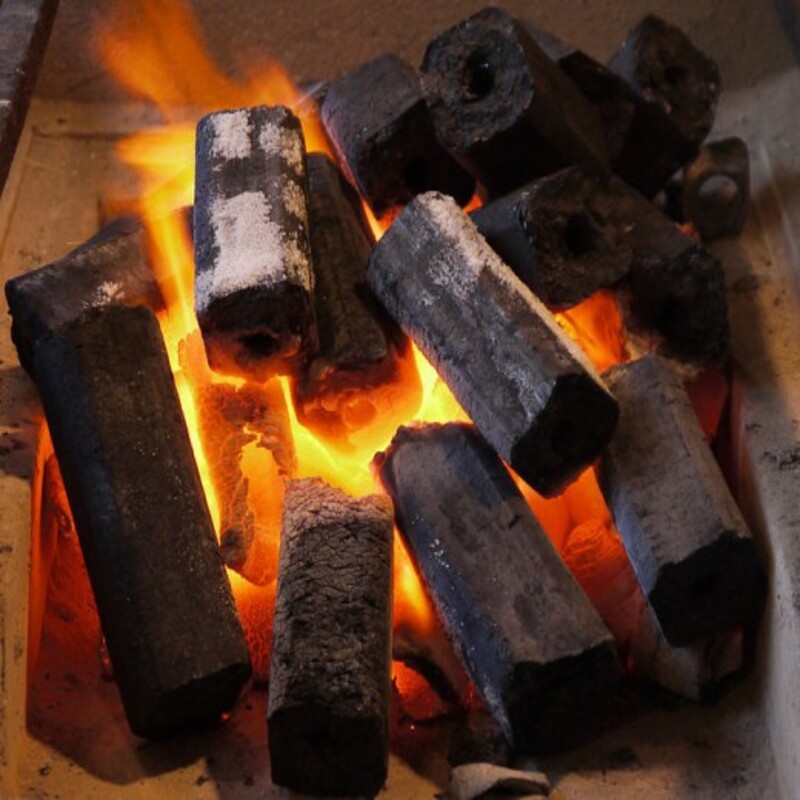
Agricultural waste briquettes are made from residues left over after harvesting and processing crops, such as rice husks, corn stalks, sugarcane bagasse, and wheat straw. These briquettes offer a clean and renewable energy source, especially in rural areas where such waste is abundant. They are commonly used for cooking, heating, and drying processes, providing a sustainable alternative to firewood and charcoal while reducing open-field burning of crop residues.
Forestry waste briquettes utilize by-products from timber processing industries, including sawdust, wood chips, and tree bark. These materials are compressed into high-density fuel briquettes, ideal for home heating and industrial applications. They burn efficiently with low ash content, making them a cleaner and more sustainable energy source compared to traditional firewood, while also contributing to better forest waste management.
Agro-industrial waste briquettes are produced from organic residues generated during the processing of agricultural products, such as coconut shells, groundnut shells, and coffee husks. These briquettes are valued for their high calorific value and long burn time, making them ideal for household use (like cooking or barbecuing) and for small-scale industries. Their production helps reduce waste from agro-processing while providing a cost-effective and eco-friendly fuel.
Paper and cardboard waste briquettes are made by recycling waste materials such as newspapers, office paper, and discarded cartons. These briquettes are especially useful in urban areas where paper waste is plentiful. Although they produce less heat than wood-based briquettes, they are an excellent low-cost option for domestic heating, fireplaces, and small stoves. Their use also helps reduce landfill waste and supports circular economy initiatives.